Mohsin Khan
Security Architectures for IoT and Distributed Systems
Systems Security and Applied Security Research
I design resilient security for distributed systems.
Cybersecurity architect and researcher focused on trust architectures, vulnerability operations, and detection engineering across distributed systems.
3
Flagship security projects
View flagship cases
130+
Lightweight primitives benchmarked
View benchmark project
25
Portfolio projects shipped
Browse projects
9+
Industry certifications and simulations
See credentials
10+
Peer-reviewed publications
Verify publications
Trusted Domains of Work
Last reviewed: February 22, 2026
CV Snapshot
Concise highlights from research, engineering, and credentials.
Security Engineering Impact
- PhD Research Fellow, UiT (2021-2025): designed Zero Trust and IAM security architectures for distributed IoT and cloud systems.
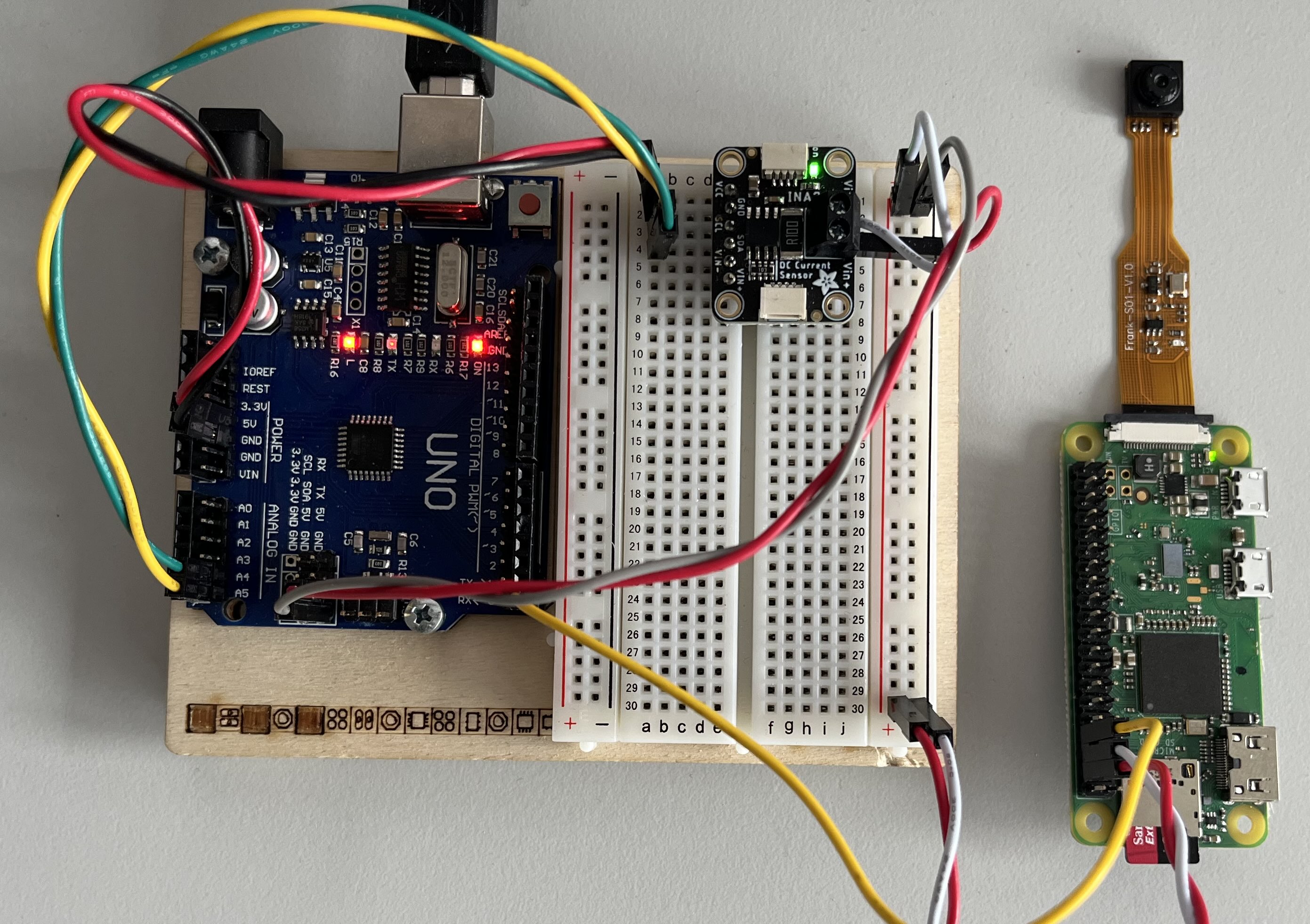
- Built a benchmarking and taxonomy framework for ~130 lightweight cryptographic primitives on constrained platforms.
- Data Engineer, Blackbuck Insight (2021): migrated data pipelines to AWS with IAM controls and security-focused monitoring.
Education and Credentials
- PhD in Cybersecurity, UiT - The Arctic University of Norway.
- MBA in Operations Management, Indira Gandhi National Open University.
- M.Tech in Computer Science and Engineering, Central University of Jammu.
- 2025 credentials: IBM security tracks, Qualys VMDR, and Deloitte Cyber Job Simulation.
Research and System Design
BlockCap - Blockchain Capability Authorization for IoT
Challenge: Secure authorization for constrained IoT nodes while preserving auditability across distributed trust boundaries.
Approach: Implemented blockchain-governed token lifecycle controls and enforced least privilege with threat-model-driven policy rules.
Outcome: Delivered verifiable access decisions, stronger accountability, and practical governance for distributed IoT communication.
Security Benchmarking
Lightweight Hash Benchmarking with ChipWhisperer
Challenge: Generate practical evidence for selecting cryptographic primitives on deeply constrained embedded IoT platforms.
Approach: Benchmarked lightweight hash candidates on AVR using reproducible measurement workflows and comparative evaluation criteria.
Outcome: Produced a decision-ready reference balancing security strength, performance cost, and deployment feasibility.
Industry Security Ops
Datacom Cyber Security Operations Simulation
Challenge: Assess a ransomware scenario and produce defensible risk decisions across technical and business contexts.
Approach: Mapped attack evidence, quantified impact, prioritized risks, and translated findings into operational control actions.
Outcome: Demonstrated SOC-ready triage, clear stakeholder communication, and actionable response planning for operations.
Model Threats
Define assets, adversaries, and trust boundaries.
Prioritize Risks
Rank attack paths by likelihood and impact.
Design Controls
Map risks to least-privilege and segmented architecture.
Implement + Detect
Deploy controls with telemetry, detections, and runbooks.
Validate + Improve
Test outcomes, tune decisions, and iterate continuously.
Open to Security Engineering and Research Collaboration
I collaborate on applied cybersecurity research, architecture reviews, and security engineering initiatives where distributed systems and real-world threat models matter.
Featured Research
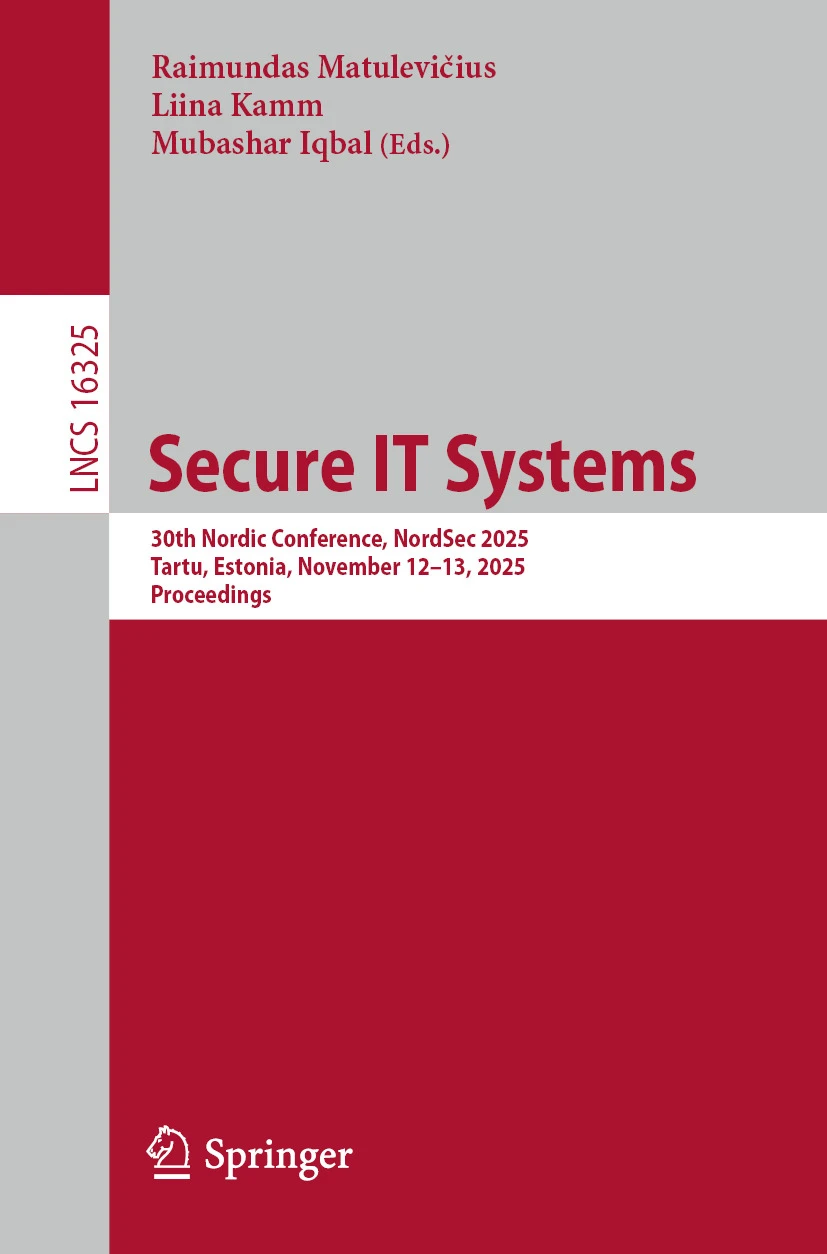
Performance Evaluation of Lightweight Cryptographic Ciphers on ARM Processor for IoT Deployments (SciSec, Springer LNCS 15441, 2024).