Impact of Management Information System (MIS) on Banking Efficiency – A Study of J&K Bank
An empirical study on how MIS implementation influences operational efficiency, decision-making, and service quality in the banking sector, with a focus on J&K Bank.
1. Motivation
- The banking sector operates in a highly competitive and technology-driven environment where timely, accurate information is critical for decision-making. - Management Information Systems (MIS) play a pivotal role in integrating data, enabling faster responses, improving customer service, and enhancing operational efficiency. - J&K Bank has invested heavily in MIS solutions, but the real impact on efficiency, productivity, and decision quality needed in-depth academic analysis. - This study aims to fill that gap by assessing MIS’s role in streamlining operations, enhancing strategic decision-making, and optimizing resource allocation.
2. MIS Structure and Banking Operations
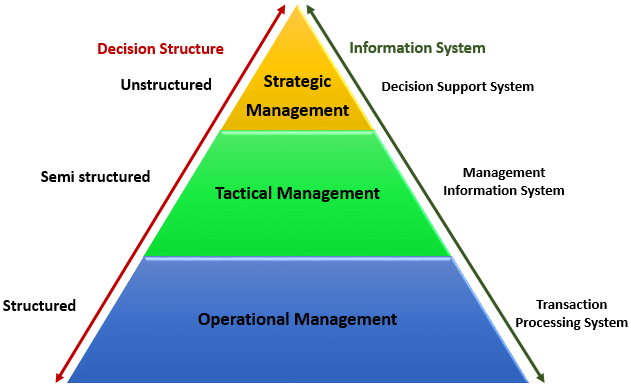
The MIS hierarchy in banking follows the pyramid model, integrating Transaction Processing Systems (TPS), Decision Support Systems (DSS), and Executive Support Systems (ESS) to ensure seamless data flow from operational to strategic levels.
3. Case Study – J&K Bank

Left: Official logo of J&K Bank. Right: J&K Bank headquarters in Srinagar, the central hub for MIS-driven banking operations.
4. Methodology
- **Research Type:** Descriptive and analytical study. - **Data Sources:** Combination of primary (structured questionnaires to bank employees) and secondary sources (annual reports, internal MIS documentation). - **Sample Size:** 100 respondents from various branches across J&K. - **Tools Used:** SPSS for statistical analysis, hypothesis testing, correlation, and regression analysis.
5. Key Findings
- Operational Efficiency: MIS significantly reduced processing time for transactions, improved data accuracy, and minimized redundancy in daily operations.
- Decision-Making Quality: Access to real-time reports and analytics enabled faster, evidence-based decisions at managerial and executive levels.
- Service Delivery: Enhanced customer responsiveness, reduced waiting times, and improved complaint resolution.
- Employee Productivity: Automation of repetitive tasks allowed staff to focus on higher-value activities, increasing overall productivity.
- Data Integration: Centralized MIS platforms improved coordination between branches, ensuring uniformity in records and processes.
- Strategic Planning: Improved forecasting and performance tracking helped management adapt quickly to market changes.
Highlights:
- Operational Efficiency: Significant improvement in transaction speed, data accuracy, and reduced redundancy.
- Decision-Making: Faster reporting and better-informed strategic choices.
- Customer Service: Enhanced responsiveness, reduced service delays.
- Employee Productivity: Increased due to automation and centralized data access.
6. Recommendations
- Further **integration of AI-driven analytics** into MIS for predictive decision-making. - Enhanced **cybersecurity protocols** to protect sensitive banking data. - Regular **training programs** for employees to adapt to evolving MIS tools. - Continuous feedback mechanisms to refine MIS functionalities based on operational needs.
7. Limitations
- The study is restricted to J&K Bank; results may not be fully generalizable to all banks. - Dependence on self-reported employee data introduces potential bias. - Rapidly evolving technology may render some findings time-sensitive.